Chainsaws: The Complete Buying Guide
The best chainsaw is the one whose power source and bar length fit your regular cuts. Choose a compact battery saw for light pruning, a corded model near an outlet, or a gas saw for work that calls for more power and freedom from a cord.
On this page (11 sections)
- What's the best chainsaw for your jobs?
- Which chainsaw power source should you choose?
- What chainsaw bar length should you buy?
- Who makes the best chainsaw?
- What safety gear should you use with a chainsaw?
- How do you choose a chain, bar and oil?
- Which chainsaw fits firewood and wood cutting?
- Do you need a pole saw or mini chainsaw?
- How should you maintain a chainsaw?
- Explore chainsaws & pole saws by topic
- How do you choose the best chainsaw?
The best chainsaw is the one that matches the wood you cut, your work area and your experience. A compact battery saw can suit light pruning, a corded saw can work near an outlet, and a gas saw can suit demanding work away from power.
Start by listing your usual tasks: trimming branches, cutting storm debris, preparing firewood or reaching limbs overhead. Then compare power source, bar length, weight, safety features and the maintenance each type needs.
What's the best chainsaw for your jobs?
The best chainsaw for you depends on how often you cut, what size wood you handle and where you work. There is no single model that fits occasional pruning and frequent heavy cutting equally well.
Use these starting points to narrow the field:
| Typical job | Starting point | Check before choosing |
|---|---|---|
| Small branches and light pruning | Compact battery chainsaw | Bar length, battery compatibility and handling |
| Occasional yard cleanup near an outlet | Corded electric chainsaw | Cord reach and a suitable outdoor extension cord |
| Firewood and regular property work | Battery or gas chainsaw | Log size, work volume and maker guidance |
| Larger cuts away from an outlet | Gas chainsaw | Experience, upkeep and safe operating limits |
| High limbs | Pole saw or trained professional | Reach, footing and overhead hazards |
The table gives broad categories, not a promise that any saw can handle every cut in that category. Read the manual and use a saw only for work it is designed to do.
If you're comparing choices for value, see our best chainsaw for the price guide. For a wider set of model picks, start with our top 10 best chainsaws.
Which chainsaw power source should you choose?
Choose a power source based on where you work and how long your cuts usually take. Battery, corded electric and gas saws each bring a different balance of mobility, setup and upkeep.
Are battery chainsaws best for home use?
Battery chainsaws suit yard work when you value cordless setup and have jobs that fit the saw's capacity. They avoid a power cord and do not use gasoline, but runtime depends on the battery and the work you ask the saw to do.
If you already own outdoor tools, check whether the battery platform works across them. For a closer look at home-use options, see our best battery powered chainsaw for home use guide.
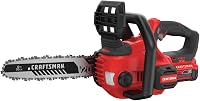
A 12-inch cordless model can be a sensible size for smaller jobs. The CRAFTSMAN V20 includes a 4.0 Ah battery and charger, auto-oiling and tool-free chain tensioning, while its compact design is intended for small spaces.
Greenworks' 40V saw also has a 12-inch bar and includes a 2.0 Ah battery and charger. Greenworks describes it for yard work such as pruning and storm cleanup, and its battery platform works with other Greenworks 40V tools.
When does a corded chainsaw make sense?
A corded chainsaw can suit work near a suitable outlet when you want to avoid charging batteries or mixing fuel. The cord limits your movement, so plan its route before cutting and keep it clear of the bar and chain.
The CRAFTSMAN 16-inch electric model uses a 12-amp motor and has a low-kickback bar and chain, auto-oiling and tool-free chain tensioning. It is a corded saw, so it needs a safe, compatible power setup within reach.
Cord length does not make a cut safer or give you permission to work in a wet area. Follow the saw manual and extension-cord guidance, and stop if the cord path could enter the cutting area.
Is a gas chainsaw right for you?
A gas chainsaw can suit longer work sessions away from an outlet, especially where a cord or battery runtime would limit the job. It requires fuel and engine maintenance, and its size and handling may be a poor fit for occasional light pruning.
Gas power does not replace skill or protective equipment. If you're new to chainsaws, start with manageable work and training, and leave large trees, unstable wood and overhead hazards to qualified professionals.
What chainsaw bar length should you buy?
Choose a bar length that fits the wood you cut most often and your ability to control the saw. A longer bar can reach farther into a cut, but it also makes the tool larger and can be harder to handle.
A 12-inch bar can suit small limbs and pruning. For more general yard cutting, shoppers often compare 16-inch options; see our guides to the best 16 inch chainsaw and the best 18 inch chainsaw.
A longer bar does not mean you should cut beyond the saw's capacity. Follow the manual's limits, keep both hands on the saw where required, and avoid cutting material that can pinch the bar or shift unexpectedly.
Should you choose a 12-inch chainsaw?
A 12-inch chainsaw can fit small-space work and lighter cuts when the saw's instructions allow the job. It may be easier to store than a longer saw, though a compact bar still requires careful handling and protective gear.
Compare the best 12 inch chainsaw options if you want a general look across power sources. If you need a gas model in this size, use the best 12 inch gas chainsaw guide.
Mini chainsaws are a separate choice for small pruning tasks, not a shortcut for felling or large limbs. Compare our best cordless mini chainsaw options, and read how to use a pruning chainsaw before trimming.
Is a 16-inch chainsaw a good all-around size?
A 16-inch saw can be a useful middle ground for a mix of yard cleanup and moderate cutting, if the saw is rated for the work. For a model-specific example, read our Milwaukee 16-inch chainsaw review.
A bar length alone does not tell you how quickly or safely a saw will cut.
Battery and gas models differ in power source and upkeep, so compare like with like. Our guides cover best 16 inch battery chainsaw options and best 16 inch gas chainsaw options.
For a specific cordless model, read our Ryobi 16 inch chainsaw review, EGO 16 inch chainsaw review and DeWalt 16 inch chainsaw reviews.
When should you consider an 18-inch chainsaw?
An 18-inch bar may fit larger cuts that remain within the saw's rated capacity and your skill level. This size can be too much saw for someone who only trims small limbs or is learning basic operation.
Compare best 18 inch battery chainsaw options if you want cordless power, and see our broader best 18-inch chainsaws guide for other types. Check the manual's cutting limits before taking on thick wood.
Who makes the best chainsaw?
The best chainsaw brand is the one with a model that fits your work, support needs and preferred power platform. Brand reputation alone cannot confirm that a particular bar, chain or saw is right for a job.
Compare the manual, safety features, available replacement parts and service options for the exact model. Battery users should also check platform compatibility and whether the saw includes a battery and charger.
The CRAFTSMAN examples above cover a 12-inch cordless saw and a 16-inch corded saw. For gas options, compare our best 16 inch gas chainsaw and best 12 inch gas chainsaw guides.
What safety gear should you use with a chainsaw?
Wear protective equipment suited to chainsaw work, and follow the saw's manual every time. A helmet, eye and hearing protection, gloves, sturdy boots and leg protection can help reduce exposure to common hazards.
Chaps must fit and be used as their maker directs; they do not stop every injury. Learn more about battery chainsaw chaps and compare best lightweight chainsaw chaps for options to evaluate.
Before starting, check the work area for people, pets, unstable branches, overhead lines and tripping hazards. Keep a firm stance, maintain a clear escape route and avoid cutting above shoulder height.
How do you choose a chain, bar and oil?
Choose replacement parts by the measurements and compatibility requirements for your exact saw, not by brand name or bar length alone. A mismatch in pitch, gauge, drive link count or bar fit can make a chain unsuitable.
The KAKEI 16-inch chain set is specified as 3/8-inch low-profile pitch, .050-inch gauge and 56 drive links. Check the saw's manual or guide-bar stamp to confirm those measurements before choosing a replacement.
See our best replacement chainsaw chains guide and best chainsaw guide bars roundup for more options. For sharpening, compare the best chainsaw chain sharpener guide.
Bar and chain oil helps lubricate the cutting system, and each saw can specify what type to use. Read what is bar and chain oil before topping up or changing oil.
Keep battery tools on their intended platform, and use compatible replacement packs. Our best cordless chainsaw battery guide can help you compare replacement options.
Which chainsaw fits firewood and wood cutting?
For firewood, choose a saw that matches the log size, amount of cutting and your experience. A smaller saw may handle occasional cuts within its limits, while frequent large rounds can call for more capable equipment and trained help.
Set wood on a stable support and keep the cut area clear. Never hold a log by hand while cutting, and watch for pinching or shifting that could trap the bar.
Our best chainsaw for firewood guide focuses on that workload. Read how to cut wood with a chainsaw before starting, and stop if a log is unstable or under tension.
Do you need a pole saw or mini chainsaw?
Choose a pole saw for limbs that can be reached from stable ground, and a mini chainsaw for small pruning work that fits its design. For a closer comparison of pruning and conventional saws, read pruning chainsaw vs chainsaw.
Neither tool makes it safe to cut near power lines or climb while operating a saw.
A pole saw puts the cutting head at the end of a pole, so weight and reach affect control. Compare the best cordless pole saw options for yard work.
For small pruning, our best mini chainsaw replacement parts guide can help you look for parts that fit a specific mini saw. Do not use a mini model for tree felling or cuts outside its manual.
How should you maintain a chainsaw?
Basic care includes checking chain tension, lubrication, sharpness and visible wear before and during use. Follow the manual's maintenance schedule, and disconnect the battery, unplug the saw or otherwise disable its power before servicing it.
A dull or damaged chain can make cutting difficult and unsafe. Use the correct sharpener and replacement chain for your saw, and have a damaged bar or chain checked before returning to work.
Keep the work area and tool clean, and store the saw with its bar cover in place. For battery models, use and store the battery as its maker instructs.
Explore chainsaws & pole saws by topic
- Best EGO Chainsaw Accessories
How do you choose the best chainsaw?
Choose a compact battery saw for occasional light yard work, a corded model if your cuts stay within safe outlet reach, and a gas saw for demanding work away from power. Then match bar length to your regular cuts, confirm compatible parts and make sure you can operate the saw safely.
For salt spreading after yard work, see our separate guide to the best broadcast spreader for salt; it covers a different tool and job.
Frequently asked questions
What's the best chainsaw for most homeowners?
A battery chainsaw is a practical starting point for homeowners who mainly prune limbs and handle occasional yard cleanup. Match its bar length to the wood you cut, and check that the battery platform fits your needs.
For frequent large cuts, compare gas models and get training before taking on demanding work.
What size chainsaw do I need?
Choose a bar that suits the typical diameter of your wood and your experience. A 12-inch saw can fit pruning and smaller limbs, while 16- to 18-inch bars cover a broader range of cuts.
A longer bar adds reach, but it also changes the saw's size and handling.
Are battery chainsaws good enough for firewood?
Battery chainsaws can handle some firewood work when the saw's capacity and bar fit the logs. Check the manufacturer's guidance for the saw and avoid forcing it through a cut.
For regular large rounds or a high volume of wood, compare gas models and consider professional help.
How do I know which replacement chain fits?
Match the chain's pitch, gauge, length and drive link count to the saw and guide bar. Check the owner's manual or the stamp on the bar before buying.
A chain that shares a brand or bar length can still be incompatible if one of those measurements differs.
Do I need chainsaw chaps with a battery chainsaw?
Chainsaw chaps can add a layer of leg protection when operating a battery saw, but they do not make unsafe cutting safe. Follow the saw maker's safety instructions and wear suitable protective gear.
Read the garment label to confirm the type of saw and work it covers.