What Is a Mulching Lawn Mower?
A mulching lawn mower cuts grass into small clippings and spreads them back over the lawn instead of collecting them in a bag. Mulching works best when you mow often enough to cut only a modest amount of dry grass.
On this page (9 sections)
- What is a mulching lawn mower?
- How does mulching work?
- When does mulching help lawn care?
- When should you bag clippings instead?
- Do mulching lawn mowers need special blades?
- What blade and mower features affect mulching?
- Which mulching mower products fit common needs?
- How should you mow to get a clean mulch?
- Is a mulching lawn mower right for you?
A mulching lawn mower cuts grass into small clippings and returns them to the lawn instead of collecting them in a bag. Its blade and deck keep clippings moving long enough for more than one cut, then spread the pieces across the turf.
This can save the work of emptying a bag and hauling clippings away. It works best when you mow regularly, cut dry grass, and avoid taking off too much at once.
What is a mulching lawn mower?
A mulching lawn mower is a mower set up to cut and recut grass clippings before dropping them back onto the lawn. Many models use a mulching blade and a deck shape that keeps grass circulating beneath the mower.
The mower may have a plug or cover that closes the discharge opening. Some models also let you switch between mulching, bagging, and side discharge, so you can match the setup to the grass.
A mower’s label alone doesn’t tell you how well it will mulch in every condition. Blade design, deck design, grass height, moisture, and mowing pace all affect the result.
How does mulching work?
Mulching works by keeping clippings under the mower deck for repeated cuts. The blade lifts and chops the grass, and the deck helps hold the clippings in the cutting area until they are small enough to fall back through the grass.
A standard mower can leave longer clippings behind or direct them into a bag or out of a side chute. A mulching setup aims to spread smaller pieces across the lawn, where they settle between the grass blades.
If you’re considering a cordless model, our guide to how a cordless lawn mower works explains its battery, motor, and cutting system. Power source affects how the mower runs, while the mulching setup determines what happens to the clippings.
When does mulching help lawn care?
Mulching helps when the grass is dry and you’re cutting a small amount at a time. Short clippings can settle into the lawn, which means you don’t have to stop to empty a grass bag or dispose of the cuttings.
Mow often enough that the mower can manage the growth in one pass. If the grass has become tall, cut it in stages or collect the heavy clippings rather than leaving a thick layer behind.
Avoid mulching wet grass when possible. Wet clippings can stick together, clog the mower deck, or form visible clumps that smother patches of turf.
Are grass clippings good for the lawn?
Short clippings can return nutrients and organic matter to the lawn as they break down. They don’t need to be removed after every cut if they are spread thinly and the grass is healthy.
Clippings are not a substitute for a complete lawn-care plan. If the lawn has weeds or disease, follow appropriate local care advice and avoid spreading affected clippings where they could cause more trouble.
When should you bag clippings instead?
Bag clippings when the grass is too long, wet, or thick to spread evenly. Collecting them can also make sense if you want a clean surface after mowing or need to remove clippings from a lawn with a specific problem.
If you’ve missed several mowing sessions, avoid trying to mulch the full height in one pass. Raise the mower and cut in stages, or use the bagging option if your mower has one.
A 2-in-1 mower can give you both mulching and rear bagging. The Greenworks 40V 16in Push Lawn Mower supports both modes, with a 5-position height adjustment.
Greenworks says its 40V mower cuts up to 1/3 acre on a full battery, with the area varying by grass conditions and operator technique. Its cutting width is 15.67 inches, so it’s a walk-behind option for yards where that width suits your mowing time.
For more options, compare the best mulching electric lawn mower. If you’re weighing blade style and other features, see the best mulching lawn mower guide.
Do mulching lawn mowers need special blades?
A mulching blade is shaped to keep clippings moving under the deck for more cuts. Some blades are designed for more than one mowing mode, but fit and compatibility depend on the mower.
A replacement blade must match your mower’s model, deck, center hole, and specified part number. Don’t choose one based on length alone, and disconnect the power source before inspecting or replacing a blade.
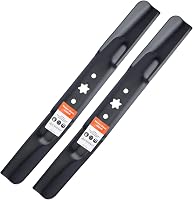
Oregon’s Gator G3 set includes two 22-7/8 in blades with a 5-point star center hole. Oregon describes the blade angle as supporting mulching, bagging, and side discharge, but you still need to confirm the fit for your mower.
For a closer look at blade options, see our guide to the best mulching lawn mower blades. Owners of Toro Recycler mowers can also compare the best Toro Recycler mower options before choosing a replacement blade.
What blade and mower features affect mulching?
Blade shape, deck design, cutting height, and mower setup all affect how clippings are cut and spread. EGO owners can compare the aluminum deck option when choosing a mower.
A mulching plug or closed discharge opening can help keep clippings in the cutting area, while a sharp compatible blade supports a clean cut.
Some cordless mowers use brushless motors. Compare brushless lawn mowers if that motor type matters to you.
Learn what brushless means on a lawn mower to understand that motor feature separately from the blade and deck features involved in mulching.
A dual-blade system is another design choice, not a guarantee of better results for every lawn. See the best EGO dual-blade lawn mowers and what Select Cut means on an EGO mower to compare those specific features.
Can you mulch with a riding mower?
Yes, a riding mower can mulch if it has a suitable mulching setup and compatible blades. The same mowing conditions apply: keep grass dry and avoid cutting too much at once.
Riding mower blades differ by deck and model, so check the mower’s manual and part numbers before replacing them. Our guide to the best blades for riding mowers can help you compare replacement options.
Which mulching mower products fit common needs?
Choose based on your mower type and the way you handle clippings. A replacement blade is useful only if it matches your equipment, while a mower with both mulching and bagging gives you another option for rough mowing days.
The MaxPower 331376XB is a single commercial mulching blade for many 22 in cut Toro Recycler mowers. It measures 21-11/16 in long, has a 7/16 in center hole, and replaces specified OEM numbers.
Check the OEM number on the blade you’re replacing and compare it with the listed replacement numbers before ordering. For riding mower owners, use the manual and deck details to confirm compatibility rather than assuming a walk-behind blade will fit.
If you’re shopping for a full mower instead of a blade, compare the best mulching riding lawn mower guide. For chainsaw work around the yard, our guide to what’s the best chainsaw covers a different tool and its uses.
How should you mow to get a clean mulch?
Mow dry grass at a steady pace and avoid removing too much height in one pass. This gives the mower a manageable amount of material to cut and helps distribute clippings more evenly.
Follow the mower’s manual for cutting height and blade care. If the grass is tall, raise the deck and make a second cut later rather than forcing the mower through dense growth.
After mowing, look for clumps or rows of clippings. If you see them, switch to bagging or side discharge for that session, slow down, or wait until the grass is dry.
Is a mulching lawn mower right for you?
A mulching lawn mower is a good fit if you mow regularly and want to leave short clippings on the lawn. It can reduce bagging, but it won’t handle every mowing condition cleanly.
Choose a mower with bagging or side discharge if you want a backup for tall or wet grass. Choose a replacement mulching blade only after checking the mower model and exact fit.
If you’re deciding what is a mulching lawn mower and whether to use one, start with your mowing routine: mulch short, dry grass; bag or discharge heavy clippings; and keep the blade matched to the mower. For Bermuda-specific picks, see best lawn mowers for Bermuda grass.
Frequently asked questions
What does a mulching lawn mower do?
A mulching mower cuts grass and returns the clippings to the lawn in small pieces. The blade and mower deck circulate the clippings so they can be cut again before falling.
You can avoid bagging on suitable mowing days, but long or wet grass may leave clumps.
Is a mulching mower better than a regular mower?
A mulching mower suits you if you mow often and want to return short clippings to the lawn. A mower with bagging or side discharge offers more flexibility when grass is long, wet, or too heavy to mulch cleanly.
The better choice depends on your lawn and mowing routine.
Should you mulch grass clippings every time you mow?
No. Mulch when the grass is dry and short enough for the mower to cut and spread clippings evenly.
If the lawn has grown tall or is wet, raise the cutting height or collect the clippings to avoid thick clumps on the surface.
Do mulching mowers need special blades?
Some mowers use blades shaped to keep clippings moving under the deck for repeated cuts, but the correct blade depends on the mower. Check the model and replacement part number before buying.
A blade that fits poorly can create a safety risk and cut badly.