Edger vs String Trimmer: Which Tool Do You Need? (November 2026)
Choose a string trimmer for flexible grass and weed cutting, or choose a dedicated edger for crisp, repeatable borders. A 2-in-1 tool can cover both jobs when storage space and budget matter.
On this page (9 sections)
- Edger vs string trimmer: which tool does each job better?
- When should you choose a 2-in-1 tool?
- Which is better around plants and garden beds?
- Which tool handles a large lawn faster?
- Is a corded or cordless tool better?
- How do blade and trimmer-line borders differ?
- How should you use a string trimmer as an edger?
- What should you check before buying?
- Which edger or string trimmer should you choose?
Choose a string trimmer for flexible grass and weed cutting, or choose a dedicated edger for crisp, repeatable borders. The right choice depends on the finish you want along each edge in your yard.
Think about where most of your work happens first. A trimmer suits loose grass and weeds, while an edger suits a fixed line that you want to keep tidy.
A string trimmer cuts with flexible line, so it can reach grass around fence posts, trees, beds and other objects. That flexibility makes it useful in corners where a mower deck cannot go.
An edger is built to follow a border and cut a more defined line beside a sidewalk, driveway or planting bed. Its shape and guide help you repeat the same line each time.
The difference shows most clearly when you plan for the season ahead. A trimmer handles scattered growth well, while an edger gives a sharper look along hard surfaces.
Some tools combine both jobs in one machine. A 2-in-1 design can trim around plants and then switch to edging for a border, which saves space in a shed or garage.
That combined approach suits smaller yards where you do not want two separate tools. It also suits readers who trim often but only edge now and then.
A dedicated edger may still make sense if your borders are long and finish matters most. A trimmer may still make sense if weeds and rough patches make up most of the work.
Power is another part of the decision. Cordless tools give freedom around the yard, while corded tools suit work that stays close to an outlet.
Weight and handling matter when a job takes time. A lighter tool is easier to carry between beds, but the cutting width and guide also affect comfort.
Setup should be simple enough that you will use the tool each week. Check the guard, line feeding and any edging guide before you start the first pass.
Care also affects how well either tool works over time. Clean grass from the head, store the line correctly and keep edges away from pavement when you can.
The string trimmer and edger buying guide covers the broader choices, while this comparison focuses on when each tool makes more sense.
Use the sections below to match your yard layout, border style and power access to the tool that fits your routine.
 Best for cordless edging flexibility
WORX 20V 12" 2-in-1 Cordless String Trimmer

Edger vs string trimmer: which tool does each job better?
A dedicated edger gives the cleanest border, while a string trimmer handles more types of growth. Pick the tool based on the work that makes up most of your yard care.
An edger follows a hard boundary or bed line. Its cutting action is aimed at creating a visible separation between lawn and another surface.
A string trimmer is more flexible. The line can cut grass and weeds in places a mower cannot reach, including around posts, walls, trees and irregular garden edges.
The terms can overlap because many products are sold as lawn trimmers and edgers. A 2-in-1 model may rotate or convert the head, add a guide wheel or change the tool position for edging.
What does an edger do?
An edger cuts a defined border along a fixed line. It suits sidewalks, driveways and flower beds where a neat edge matters more than reaching every awkward patch.
A wheel or guide can help you keep the tool moving at a steady distance from the hard surface. That makes repeated maintenance easier because you can follow the same border each time.
Dedicated blade edging has a firmer cutting action than trimmer line. Read our comparison of string edger vs blade edger if you are deciding between those two edging styles.
What does a string trimmer do?
A string trimmer cuts flexible grass and weeds around obstacles. Its line can reach places where a mower deck or wheeled edger cannot move comfortably.
The trade-off is control. A string trimmer does not automatically create a straight border, so you need to guide the head and keep the line at a consistent height.
For a wider overview of the difference between trimmer and edger roles, see Best Lawn Edgers before choosing a dedicated tool.
When should you choose a 2-in-1 tool?
Choose a 2-in-1 tool when you need both general trimming and occasional edging. It saves storage space and avoids buying separate machines, but one tool may not match a dedicated model at either task.
A conversion system can be useful for a small or medium yard with several types of borders. You can trim around plants, then switch modes for the sidewalk without changing to another machine.
The WORX 20V 12" 2-in-1 Cordless String Trimmer converts between trimming and edging, includes 2 batteries and a charger, and has rubberized guide wheels. Its 5.5 lb machine weight may suit readers who want a lighter cordless tool for regular touch-ups.
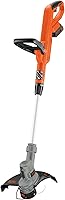
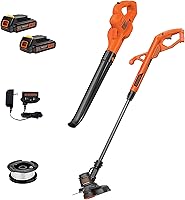
The BLACK+DECKER 20V MAX String Trimmer and Edger also changes between trimming and edging. Its 12 in cutting swath, automatic feed spool, included 2.0 Ah battery and charger make it a simple cordless kit for routine work.
The Best Cordless Lawn Edgers guide can help if cordless operation is your main requirement.
Which is better around plants and garden beds?
A string trimmer is usually more adaptable around plants, but a guard and careful control still matter. A dedicated edger works best where the border is clear and the blade or head can stay away from stems and decorations.
Line can reach into irregular spaces, but it can also damage bark, flowers or soft landscape materials if you hold the head too close. Work slowly around anything you want to protect.
The WORX model has an adjustable spacer guard for plants, landscape features and lawn ornaments. Its head tilts 90 degrees, which can help when working on sloped ground or reaching difficult areas.
Do not assume a spacer guard removes the need for care. Keep the cutting head at the intended height and use the tool's safety guard as directed.
Which tool handles a large lawn faster?
A wider cutting path can cover open grass faster, while cordless freedom can reduce interruptions across a spread-out yard. Compare cutting width with power source and the distance from your outlet or charger.
The BLACK+DECKER Weed Wacker with Auto Feed has a 14 in cutting path, the widest of these products. It uses a 6.5-amp corded electric motor, automatic feed spool and wheeled edge guide.
A corded tool can keep working without a battery change, but the cord becomes part of every movement. Plan the outlet, extension setup and route before starting, and keep the cord away from the cutting path.
For a cordless yard, the WORX tool has a 12 in cutting diameter and 2 included 20V batteries. The BLACK+DECKER cordless model also has a 12 in cutting swath, but includes 1 battery.
Battery tools need a charging routine. Follow the charger instructions and let the available battery capacity shape the size of each work session.
Is a corded or cordless tool better?
Cordless is better for mobility, while corded electric is better when the work stays close to a suitable outlet. Neither power source is automatically right for every yard.
Cordless tools avoid a trailing cable around beds, trees and corners. They can also be easier to carry between separate lawn areas.
Corded tools do not depend on the charge level during the job. That can suit a property where the outlet is close and the work area is open.
The Best String Trimmer Brands guide is useful when battery platforms, tool support and brand range matter as much as this single purchase.
The Greenworks 40V 12 in String Trimmer comes as a trimmer and 390 CFM blower combo with a 2.0 Ah battery. It may suit a homeowner who needs both trimming and blowing, but its listed 16.5 lb item weight makes it a different handling choice from the lighter trimmer-only tools.
How do blade and trimmer-line borders differ?
A blade can create a firmer, more defined cut, while trimmer line is more forgiving around uneven growth. The border material and the level of finish you want should guide this choice.
A dedicated blade edger is suited to an established line beside pavement or a bed. It is less flexible around objects that interrupt the border.
Trimmer line can work around curves and irregular edges. It may leave a softer-looking boundary, and a steady hand is needed to keep the line even.
If you want a detailed comparison of these edge styles, read String Edger vs Blade Edger. The choice is about the border finish and the kind of material you need to cut, not just the tool name.
How should you use a string trimmer as an edger?
Use the tool's edging mode or guide, keep the head controlled and move along the border at a steady pace. Read the manual before changing the tool position or fitting any guard.
Start by checking how your model converts to edging. Some tools expect the head to rotate, while others use a wheel or guide that should be fitted in a set way.
Make sure the guard is in place before you start. The guard helps protect you and nearby plants, and it also helps keep the cutting line at a sensible distance.
Clear people, pets and loose objects from the work area. Keep doors and windows closed if grass clippings could blow inside, and keep bystanders well back from the cutting head.
Wear the safety equipment recommended for the tool. Eye protection is a basic step, and sturdy footwear helps when you work close to a hard border.
Work on dry grass when you can for a cleaner cut. Wet growth can cling, wrap and make the head harder to control along a straight line.
Start with a small section to set the cutting height. This first pass shows how the line meets the soil and pavement before you commit to the full border.
Keep the head at a steady height as you move. A rising or dipping head can gouge the edge, scalp nearby grass or leave a wavy line.
Move at a walking pace that lets the line do the work. Rushing can push the head into the border and wear the line faster than needed.
Avoid digging into soil, pavement or edging material, since that can wear the line quickly and make the border uneven. Light contact is enough for most trimming and edging tasks.
Watch the guide wheel or spacer if your tool has one. It should rest lightly along the edge and help you keep the same distance from the surface.
Stop now and then to check the line length. A short line may need feeding, and a clean, full length gives a more even border along the run.
Keep the cord or battery in mind as you work. With a corded tool, lay the cable behind you, while with a battery tool, plan a pause before the charge runs low.
The How to Use a Lawn Edger guide covers setup, movement and border control in more detail. Use the same careful approach with a string trimmer in edging mode.
Finish by clearing clippings from the border and letting the tool cool. Clean the head, check the guard for damage and store the tool where the line will not bend or tangle.
What should you check before buying?
Check the border type, cutting width, power source, weight and included equipment before choosing. A short feature list can reveal whether a tool fits your normal yard routine.
For a cordless tool, check how many batteries are included and whether the platform matches tools you already use. The WORX includes 2 batteries, while the BLACK+DECKER cordless model includes 1.
For corded work, measure the distance from the outlet to the farthest trimming area. A wider cutting path can help open grass, but it does not remove the need to manage the cord safely.
Check the weight in relation to the time you spend holding or guiding the tool. The WORX is 5.5 lb, the BLACK+DECKER cordless model is 5.7 lb, and the BLACK+DECKER corded model is 6.3 lb.
The Greenworks combo is listed at 16.5 lb as an item.
Also check whether you need a blower. The Greenworks combo adds a 390 CFM blower, while the other products focus on trimming and edging.
For readers comparing models from one brand, Best Worx String Trimmers and Edgers is a useful next step.
Which edger or string trimmer should you choose?
Choose the WORX 20V 12" 2-in-1 Cordless String Trimmer for the most flexible cordless edging setup. Its 2 batteries, guide wheels, spacer guard, tilting head and 5.5 lb weight make it the strongest fit when one tool must cover both jobs.
Choose the 14 in BLACK+DECKER corded model if your work area stays near an outlet and you want the widest cutting path here. Choose the 20V BLACK+DECKER model for a lighter cordless kit with automatic feed and one included battery.
Choose the Greenworks model if the blower matters as much as the trimmer. Its combo format adds another yard-care task, but the higher listed item weight changes how it will feel to carry and guide.
In short, pick an edger for repeatable hard-surface borders, a string trimmer for flexible cleanup, and a 2-in-1 when you need both. For cordless edging choices, continue with Best Cordless Lawn Edgers.
Frequently asked questions
What is the difference between an edger and a string trimmer?
A dedicated edger uses a blade or edging head to cut a defined line beside a sidewalk, driveway or bed. A string trimmer uses flexible line to cut grass and weeds around obstacles, posts and uneven edges.
Some 2-in-1 tools switch between both jobs.
Can a string trimmer edge a lawn?
Yes, a string trimmer can edge a lawn when it has an edging mode or when you carefully rotate the head for vertical cutting. A wheeled guide makes the line easier to follow, but string usually gives a softer border than a dedicated blade.
Is an edger better than a string trimmer?
An edger is better for crisp, repeated borders along hard surfaces, while a string trimmer is better for weeds, fence lines, garden features and uneven ground. Choose a 2-in-1 model if you need both tasks but do not want separate tools.
Which is better for sidewalk edges?
A wheeled edger is usually easier for a straight sidewalk edge because the wheel guides the tool along the border. A string trimmer can handle the same area, but you need steadier hand control and should keep the cutting head away from people and surfaces.
Should I buy a cordless or corded string trimmer?
Choose cordless for freedom around a larger yard or areas without a nearby outlet. Choose corded when the work area stays close to an outlet and you prefer continuous power without battery charging.
Check the cutting width and included equipment as well.