How to Use an Electric Lawn Mower
To use an electric lawn mower, check the lawn, prepare the power source, and follow the manual’s start and mowing steps. Keep people clear, mow at a steady pace, then stop the blade and disconnect power before clearing or storing the mower.
On this page (6 sections)
To use an electric lawn mower, check the lawn, prepare the power source, and follow the manual’s start and mowing steps. Keep people clear, mow at a steady pace, then stop the blade and disconnect power before clearing or storing the mower.
Electric mowers are either corded or cordless, so the setup differs. A corded mower needs a safe outlet and a suitable cord; a cordless one needs a charged, compatible battery.
For the basic difference, see how a cordless lawn mower works.
What should you check before using an electric lawn mower?
Read the mower manual and inspect the mower before each use. Look for damage, loose parts, blocked vents, and a blade that is bent or worn.
Clear the lawn of sticks, stones, wire, toys, and other objects that could be thrown or jam the deck. Keep children, pets, and other people away from the mowing area, and wear sturdy shoes and eye protection.
Avoid mowing in wet conditions. The grass may clump under the deck, footing can be poor, and water increases the risk around electrical equipment.
See whether you can mow wet grass for more guidance.
How do you prepare a cordless mower?
Charge and install only the battery type approved for your mower. Check the battery and contacts for damage, then fit the battery securely according to the manual.
Keep the battery away from water and heat, and don't use one that is cracked, swollen, or unusually hot. If the mower has a removable safety key, install it only when you're ready to start.
A cordless mower doesn't use engine oil because it has no combustion engine. For gas models, see whether car engine oil can be used in a lawn mower.
For more on that distinction, see whether cordless lawn mowers need engine oil.
How do you prepare a corded mower?
Use only a cord and outlet setup that the mower manual permits. Inspect the cord from end to end, and don't use it if its jacket or plug is damaged.
Connect the cord as directed, using any cord retainer or strain relief built into the mower. Keep the cord behind you and route it away from the cutting path as you move.
Don't mow through standing water or in rain. If the cord becomes unplugged or catches, release the controls, wait for the blade to stop, and disconnect power before adjusting it.
How do you start an electric lawn mower?
Start the mower on a clear, level area with the blade away from people and objects. Use the safety key, switch, bail, or start button in the order shown in the manual.
Don't bypass a safety control or reach under the deck to check the blade. If the mower doesn't start, release the controls and check the battery, plug, safety key, and any troubleshooting steps in the manual.
For the exact start sequence, read how to start an electric lawn mower. Models differ, so use the instructions for your mower rather than assuming every control works the same way.
What mowing technique works well with an electric mower?
Walk at a steady pace and overlap each pass slightly so you don't leave narrow strips of uncut grass. Keep both hands on the handle and stay behind the mower while it runs.
Set the cutting height for the lawn and grass conditions, following the mower’s manual. If the grass is tall, take off only part of its height and make another pass later rather than forcing the mower through dense growth.
Turn carefully at the end of each pass. Don't pull a running mower backward toward your feet, and avoid steep or slippery slopes unless the manual says the mower is suitable for them.
If you use a zero-turn mower on slopes, first read how to use a zero-turn mower on hills. That guide covers slope-specific precautions.
What should you do if the mower slows or clogs?
Release the controls and disconnect power before checking a slowdown or clog. Wait for the blade to stop completely, then remove the battery or unplug the cord as directed.
Use a brush or suitable tool to clear clippings, keeping your hands away from the blade. Don't tip or lift the mower while it is connected to power, and follow the manual’s instructions for accessing the underside.
If the mower vibrates, makes an unusual sound, or repeatedly stalls, stop using it. Check for damage and contact the manufacturer or a qualified service provider if the cause isn't clear.
How do you stop and store an electric mower safely?
Release the operating control and wait for the blade to stop fully before moving or inspecting the mower. Remove the battery or unplug the cord before clearing clippings, cleaning, or storing it.
Follow the manual for cleaning around the deck and blade. Keep water away from electrical parts, and never put your hands under the deck while the mower is connected to power.
Store the mower in a dry, secure place where children can't reach it. A shed such as the Keter Manor 4x6 Resin Outdoor Storage Shed can provide space for a push mower and yard tools; check its dimensions against your mower before choosing storage.
For a cordless mower, store and charge the battery as its manual directs. The Unocho 6V/12V Battery Charger Maintainer 1.5A Automatic is described for compatible lead-acid batteries, so it is relevant only if your mower uses that battery type and its manufacturer permits this charging method.
How should you care for the blade?
Inspect the blade only with the mower disconnected from power. Follow the manual for removing, sharpening, balancing, or replacing it; a damaged or poorly fitted blade can make the mower unsafe.
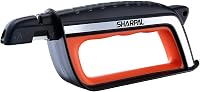
A sharp blade helps cut grass cleanly, but sharpening requires care and the right method for the blade. The SHARPAL 103N All-in-1 Knife Garden Tool Lawn is described for sharpening mower blades and other edged tools.
Don't reach beneath the deck to test a blade brake. Learn what a mower’s blade brake does and use the manual’s inspection steps.
What is the safest routine for using an electric lawn mower?
Prepare the lawn, use the correct power setup, mow with control, then stop and disconnect before maintenance. That routine works for both corded and cordless models, with the power-source steps adjusted to your mower.
Choose a corded mower if you can manage its cord safely across the lawn. Choose cordless if you want to move without a cord, while following the battery maker’s charging and storage directions.
Before each session, clear debris and keep others away. Afterward, wait for the blade to stop and disconnect power before cleaning, sharpening, or storage.
Frequently asked questions
Can you use an electric lawn mower with an extension cord?
Use an extension cord only if the mower manual allows it and specifies the right type and length. Check the cord for damage, keep it behind you and away from the blade, and connect it as directed.
Never use a cord with exposed wires or a loose plug.
Should you mow wet grass with an electric mower?
Wait until the grass and ground are dry before mowing. Wet conditions can reduce traction, clog the deck, and create added electrical risk with a corded mower.
If rain starts, stop, disconnect power safely, and resume only when conditions and the manual allow.
What should you check before starting an electric lawn mower?
Check the manual, mower condition, cutting area, grass height, and power source before starting. Remove sticks, stones, toys, and other debris; keep people and pets away; and make sure the cord, battery, blade, and safety controls are in good condition.
How do you safely clear a clog from an electric mower?
Stop the mower, wait for the blade to stop fully, and disconnect the power source before inspecting a clog. Remove the battery or unplug the cord as the manual directs, then use a tool rather than your hands near the blade.
Never work under an energized mower.