7 Best Gas Lawn Mowers (November 2026)
The best gas lawn mowers include the PowerSmart EasyCut 18-Inch Gas Lawn Mower for small lawns with tall grass, the SENIX 201cc 22" 3-in-1 Variable Speed Self for wide cuts and self-propelled mowing, and the SENIX Gas Lawn Mower for lightweight push mowing.
On this page (8 sections)
- How we chose the best gas lawn mowers
- Which gas lawn mower fits your yard?
- Is a battery mower a better fit than gas?
- Can a riding mower replace a gas walk-behind?
- What should you check before buying a gas mower?
- How much cutting height adjustment do you need?
- How do gas mower upkeep needs compare with cordless care?
- Which gas lawn mower should you choose?
The best gas lawn mower for most small yards is the PowerSmart EasyCut 18-Inch Gas Lawn Mower, with side discharge for tall grass and a 1.5 to 3.9 in height range. Choose the SENIX 22-inch model for a wider cut and self-propelled drive, or the BILT HARD 21-inch mower if you want three clipping options.
This roundup compares gas walk-behind mowers by cutting width, drive type, height adjustment and clipping options. The EGO battery and riding models appear as alternatives for shoppers deciding whether gas is the right fit.
If you are still weighing power sources, see our guide to how a cordless lawn mower works and the mechanical differences in battery and gas mowers.
Our picks at a glance
-
1
 Best for small lawns with tall grass
PowerSmart EasyCut 18-Inch Gas Lawn Mower
9.6/10 our score
See it on Amazon -
2
 Best for wide cuts and self-propelled mowing
SENIX 201cc 22" 3-in-1 Variable Speed Self
9.5/10 our score
See it on Amazon -
3

- 4
 Check it
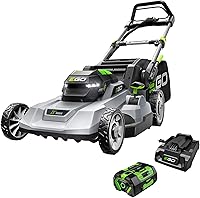
EGO Power+ 21" Cordless Electric Lawn Mower
Best cordless alternative to gas - 5
 Check it
EGO Power+ Electric Riding Lawn Mower
Best for large lawns without gas - 6
 Check it
BILT HARD Gas Lawn Mower 20 inch
Best for a simple 20-inch push mower - 7
 Check it
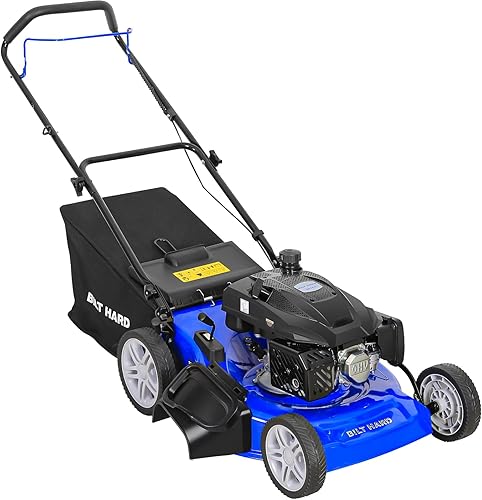
BILT HARD 201cc Push Lawn Mower
Best for three clipping options
How we chose the best gas lawn mowers
The best gas lawn mower depends on the lawn's size, terrain and preferred way to handle clippings. We compared stated engine, deck, drive and height features, then matched them to common yard needs.
Our score weighs specs, features and buyer feedback against what you're shopping for. A higher score here reflects a closer fit to the needs described for this roundup.
Gas mowers suit shoppers who want fuel-powered cutting and can handle engine upkeep. If you'd rather skip gasoline and oil changes, compare the EGO lawn mower vs gas mower tradeoffs.
| Product | Best for | Cut width | Drive | Cut height | Our score |
|---|---|---|---|---|---|
| PowerSmart EasyCut 18-Inch Gas Lawn Mower | small lawns with tall grass | 18 in | Push | 1.5 to 3.9 in | 9.6 |
| SENIX 201cc 22" 3-in-1 Variable Speed Self | wide cuts and self-propelled mowing | 22 in | Variable speed, self-propelled | 1.25 to 4 in | 9.5 |
| SENIX Gas Lawn Mower | lightweight push mowing | 18 in | Push | 2.16 to 3.15 in | 9.4 |
| EGO Power+ 21" Cordless Electric Lawn Mower | cordless alternative to gas | 21 in | Self-propelled | 1 to 4 in | 9.2 |
| EGO Power+ Electric Riding Lawn Mower | large lawns without gas | 52 in | Riding, zero-turn | 1.5 to 4.5 in | 9.0 |
| BILT HARD Gas Lawn Mower 20 inch | a simple 20-inch push mower | 20 in | Push | 0.7 to 3.2 in | 8.9 |
| BILT HARD 201cc Push Lawn Mower | three clipping options | 21 in | Push | 1.2 to 3.75 in | 8.7 |
Which gas lawn mower fits your yard?
The PowerSmart is the most balanced small-yard pick, while the SENIX 22-inch model suits buyers who want a wider cut with self-propelled drive. Choose by your walking effort, available storage and how you want to manage clippings.
PowerSmart EasyCut 18-Inch Gas Lawn Mower: Best for small lawns with tall grass
- 18-inch steel deck
- 144cc 4-cycle engine
- Side discharge
- Cut height from 1.5 to 3.9 in
Its 18-inch deck and side discharge suit compact lawns, while the upper height setting reaches 3.9 inches. The push design keeps the choice simple.
Pros
- Side discharge for tall, thick grass
- Five-position height adjustment
- Auto choke and primer
Cons
- No bag attachment
- Push mower requires you to provide the drive
PowerSmart's 18-inch steel deck is a practical scale for smaller lawns with flower beds, trees or tight corners. The 144cc four-cycle engine uses an auto choke and primer structure to support starting.
Its side discharge is the defining choice: grass exits to the side instead of collecting in a bag or being mulched. The maker describes it as useful for tall, thick grass, so plan for clippings to remain on the lawn.
The height adjusts across five positions from 1.5 to 3.9 in. That gives you room to raise the blade when grass is long, then lower it within the mower's range for later cuts.
Pick this if you want a compact, push gas mower with a taller maximum setting. Skip it if you need bagging or mulching, since this model is described as side discharge only.
SENIX 201cc 22" 3-in-1 Variable Speed Self: Best for wide cuts and self-propelled mowing
- 22-inch steel deck
- 201cc 4-cycle engine
- Self-propelled rear-wheel drive
- Bagging, mulching and side discharge
A 22-inch deck covers a wider path, and rear-wheel drive helps move the mower across uneven ground. It offers bagging, mulching and side discharge.
Pros
- Wide cutting path
- Three clipping options
- Six height settings
Cons
- Heavier than the compact push picks
- Self-propelled drive adds moving parts
The SENIX 22-inch mower is the wide-cut option for medium and large lawns. Its 201cc four-cycle OHV engine powers a steel deck, while rear-wheel drive provides variable-speed self-propelled movement.
That drive may be useful on uneven ground or thicker grass, where pushing a mower across the whole lawn can take more effort. The large 11-inch rear wheels pair with the drive system for traction and maneuvering.
The 3-in-1 cutting system switches among bagging, mulching and side discharge. A single lever sets one of six cutting heights from 1.25 to 4 in.
Choose this when you want self-propulsion and flexible clipping control. The 22-inch deck and 79 lb weight make it a larger, heavier choice than the small-yard push models.
SENIX Gas Lawn Mower: Best for lightweight push mowing
- 18-inch blade
- 144cc 4-cycle engine
- 37.5 lb listed weight
- Three-position height adjustment
At 37.5 lb, this compact push mower is the lightest of the gas walk-behind picks here. Its side discharge and 18-inch cut fit smaller lawns.
Pros
- Lightest listed weight among these gas walk-behind picks
- Ergonomic grip
- Side discharge
Cons
- Three height positions
- Published minimum height is 2.16 in
This SENIX is the lightest gas walk-behind option in this group, with a listed weight of 37.5 lb and an 18-inch blade. Its compact push layout is aimed at smaller yards and tight turns.
The 144cc four-cycle engine and side-discharge design keep the setup simple. Three height positions cover a stated range from 2.16 to 3.15 in, which is narrower than the height ranges of several other picks.
Choose it if low weight and an 18-inch cut matter most. Check the minimum cutting height against your preferred lawn height, since it starts at 2.16 in.
Is a battery mower a better fit than gas?
A battery mower may fit better if you want to avoid gasoline and engine oil, while gas remains a direct choice for shoppers comfortable with fuel and engine care. Compare the way each power source matches your mowing routine.
EGO Power+ 21" Cordless Electric Lawn Mower: Best cordless alternative to gas
- 21-inch deck
- Self-propelled
- Up to 100 minutes runtime claim
- Two 56V 6.0Ah batteries included
This battery mower offers a 21-inch cut, self-propelled drive and interchangeable lower blades for mulching, high-lift bagging or runtime. EGO claims up to 100 minutes per charge.
Pros
- No gas engine
- Three lower blade options
- Eight height positions
Cons
- Runtime depends on conditions
- Requires charged batteries
The EGO Power+ 21-inch mower is a cordless alternative with self-propelled drive and two included 56V 6.0Ah batteries. EGO claims up to 100 minutes of runtime on a charge, though actual cutting time depends on grass and conditions.
Its Select Cut system uses interchangeable lower blades for mulching, high-lift bagging or extended runtime. Eight cutting positions range from 1 to 4 in, and the drive speed adjusts from 0.9 to 3.1 mph.
For a homeowner who prefers battery operation, it offers a broad cut and several clipping choices without a gas engine. Read what brushless means on a lawn mower for context on its high-efficiency brushless motor.
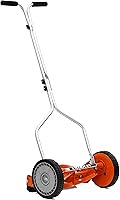
The best manual powered lawn mower is another route if your lawn is small and you want to mow without an engine or battery. Reel mowers need your walking effort and have different limits around tall or dense grass.
Can a riding mower replace a gas walk-behind?
A riding mower can make more sense for a large property with room to store and maneuver a larger machine. It is a different class of tool from the walk-behind gas models above.
EGO Power+ Electric Riding Lawn Mower: Best for large lawns without gas
- 52-inch deck
- Zero-turn radius
- Six 56V 12.0Ah batteries included
- Up to 4 acres per charge claim
This is a riding alternative for large properties, with a 52-inch deck and six included batteries. EGO claims it can cut up to 4 acres on a charge.
Pros
- Wide zero-turn deck
- Riding position
- Battery platform compatibility
Cons
- Not a walk-behind mower
- Large and heavy
The EGO Power+ Electric Riding Lawn Mower has a 52-inch deck and zero-turn radius. It includes six 56V 12.0Ah batteries, and EGO claims up to 4 acres of cutting per charge.
This is a battery-powered rider, not a gas walk-behind. Its scale fits a buyer comparing large-property mowing options, especially if the idea of riding appeals but gas ownership does not.
If automation is a better match than driving a mower, explore our best robotic lawn mower and best budget robotic lawn mower guides. Robotic models suit a different mowing routine and lawn setup.
What should you check before buying a gas mower?
Match the mower's deck, drive and clipping system to the lawn before focusing on engine size. Those features shape how often you turn, push, empty a bag or manage discharged clippings.
A wider deck covers more ground per pass, but it can be harder to guide through narrow gates or around beds. Measure access points and storage space, then compare them with the mower's dimensions.
Think about the surface too. Self-propelled drive may reduce pushing effort, while some push mowers are specified for level ground and have stated slope limits.
Clipping control changes cleanup. Side discharge leaves clippings on the lawn, bagging collects them, and mulching cuts and returns them to the turf when the mower supports that mode.
How much cutting height adjustment do you need?
Choose a height range that covers your preferred grass length and seasonal changes. More positions provide finer steps, but the actual minimum and maximum matter more than the count alone.
The PowerSmart reaches 3.9 in at its upper setting, while the SENIX 22-inch model reaches 4 in. The BILT HARD 20-inch mower starts lower at 0.7 in, and the 21-inch BILT HARD reaches 3.75 in.
A reel mower may suit short, regularly maintained grass, while a gas rotary mower handles a different range of conditions. Compare the manual reel mower options if lower maintenance and walking power are priorities.
How do gas mower upkeep needs compare with cordless care?
Gas mowers need fuel and engine care, while cordless mowers avoid engine oil but depend on charged batteries. Follow the owner's manual for the exact fuel, oil and maintenance instructions for your chosen model.
The PowerSmart product information specifies fresh 87-octane unleaded gasoline with no more than 10% ethanol, and recommends 10W-30 engine oil. It also notes that oil is not included.
Cordless models have no gas engine, but their batteries still need suitable storage and charging. Read do cordless lawn mowers need engine oil for the maintenance distinction.
Which gas lawn mower should you choose?
Choose the PowerSmart for a compact yard where side discharge and an 18-inch push mower fit the job. Choose the SENIX 22-inch for a wider path, self-propelled drive and three clipping modes.
The BILT HARD 21-inch push mower gives you bagging, mulching and side discharge, while the lighter SENIX 18-inch model suits buyers prioritizing low listed weight. If you are leaning toward battery power, compare the EGO mower with gas before deciding.
Our top 3 picks at a glance
-
1
Best for small lawns with tall grass
PowerSmart EasyCut 18-Inch Gas Lawn Mower
9.6/10 our score
See it on Amazon -
2
Best for wide cuts and self-propelled mowing
SENIX 201cc 22" 3-in-1 Variable Speed Self
9.5/10 our score
See it on Amazon -
3
Frequently asked questions
Are gas lawn mowers better for large yards?
A gas mower can suit a large yard when you want to refuel and continue mowing without waiting for a battery to charge. Deck width and drive type also matter: a wider deck or self-propelled drive may reduce effort, but the right choice depends on terrain and storage.
For very large properties, compare riding mowers as well as walk-behind models.
What size gas mower deck should I choose?
Choose a deck width that fits your lawn's open areas and tight turns. An 18-inch mower can be easier to guide around narrow spaces, while 20- and 22-inch decks cover a wider path with each pass.
Measure gates and storage access before choosing a wider mower.
Should I choose a push or self-propelled gas mower?
A push mower is a straightforward fit for a smaller or fairly level lawn if you are comfortable supplying the forward effort. Self-propelled drive can help on larger areas or uneven ground, though it adds weight and mechanical complexity.
Consider slope limits stated for the specific mower.
Can a gas mower mulch and bag clippings?
Some gas mowers offer mulching and bagging, while others only discharge clippings to the side. The SENIX 22-inch and BILT HARD 21-inch picks here offer bagging, mulching and side discharge.
Check which modes are included before choosing a mower for your usual clipping routine.
How should I compare a gas mower with a battery mower?
Compare the cutting width, drive type, clipping options, runtime needs and upkeep. Gas models need fuel and engine care; battery models need charged batteries and have a run time that can vary with grass and conditions.
Our gas mower versus EGO comparison lays out the main tradeoffs.